
Quick Answer
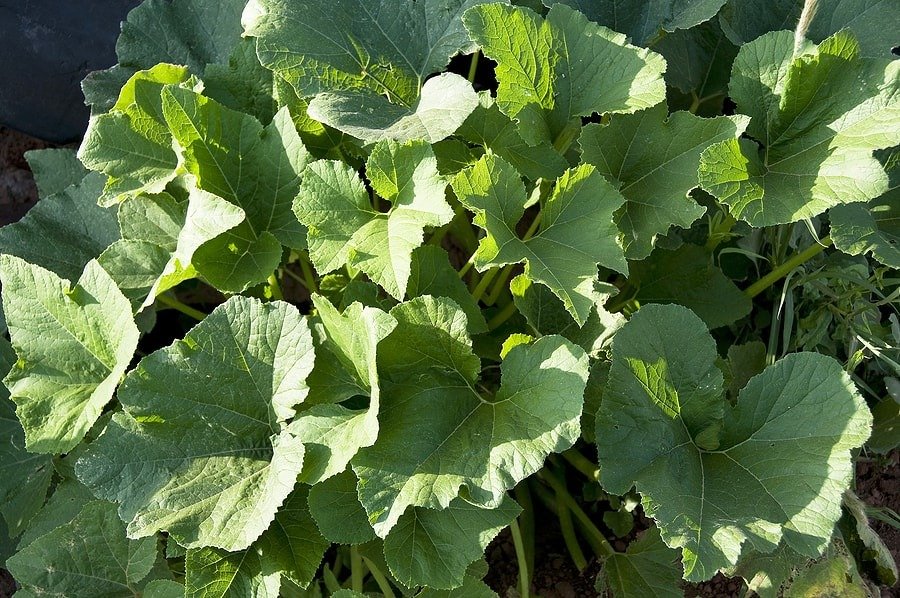
Squash leaves are typically large, broad, and lobed (often shaped like a shallow star or hand), with a rough, slightly fuzzy texture and coarse, jagged edges.
Color ranges from deep green to gray-green, and many varieties show pale white or silvery speckling along the veins which is completely normal and not a disease. Leaf shape and size vary by squash type, so they’re one of the easiest ways to identify what you planted before any fruit appears.
Introduction
If you’ve ever planted more than one squash variety and lost track of the seed packets, you’re not alone. Squash seedlings tend to look similar at first, but the leaves develop distinct enough differences that experienced growers can often tell varieties apart without waiting for a single fruit to form.
At Nextsider, we cover the practical side of home and garden decisions including the small identification questions like this one that don’t get a clear answer anywhere else.
Whether you’re trying to figure out what volunteered in your compost pile, planning hand-pollination between specific varieties, or just want to confirm you planted what the label said, leaf identification is one of the most reliable tools you have. Here’s what to actually look for, variety by variety.
General Squash Leaf Characteristics
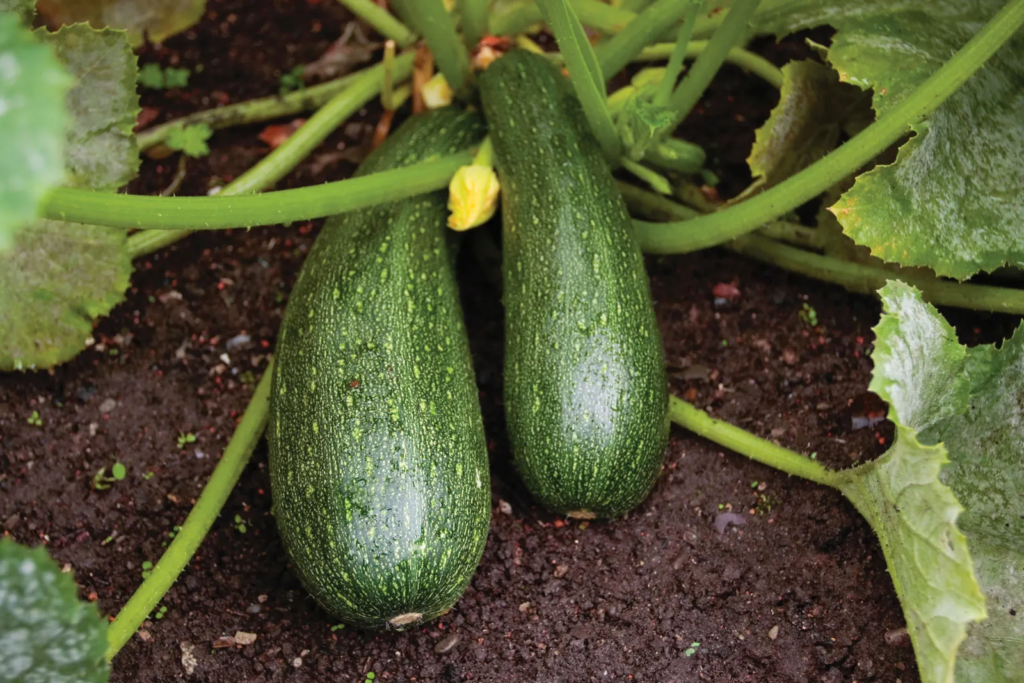
Most squash leaves share a few common traits, regardless of variety:
- Size: Large — often 6 to 12 inches across on mature plants, sometimes bigger on vigorous vining types.
- Shape: Broad and palmate (hand-shaped), usually with 3 to 5 lobes, giving the leaf a star-like or maple-leaf-adjacent silhouette.
- Texture: Rough and slightly bristly to the touch, thanks to fine hairs (trichomes) covering the surface — this is normal and helps the plant deter some pests.
- Color: Medium to deep green, sometimes with a gray-green or blue-green cast depending on variety.
- Edges: Coarsely toothed or jagged, not smooth.
- Veins: Prominent and often pale, sometimes creating a silvery or white-speckled pattern radiating from the base of the leaf.
- Stem attachment: Leaves grow on long, hollow, slightly hairy petioles (stalks) that connect to a central vine — the whole plant tends to sprawl or climb depending on variety.
That white speckling trips up a lot of new growers, who assume it’s powdery mildew. Mildew tends to look like a dusty film sitting on top of the leaf and spreads over time; natural variegation follows the vein pattern consistently and doesn’t spread or worsen as the season goes on.
How Leaf Shape Differs by Squash Type
Zucchini and other summer squash tend to have deeply lobed, almost angular leaves with a more pronounced star shape and noticeable white marbling along the veins. The lobes are often sharply pointed rather than rounded.
Butternut and other winter squash (moschata types) usually have softer, more rounded lobes and a slightly heart-shaped base where the leaf meets the stem. The overall silhouette reads rounder than zucchini.
Pumpkins typically produce very large, broad leaves with moderate lobing — often the biggest leaves of any squash type, which is part of why pumpkin plants can look so sprawling across a garden bed.
Acorn squash leaves sit between zucchini and pumpkin in size, with moderately deep lobes and a slightly rougher texture than butternut.
Spaghetti squash leaves are similar in shape to other winter squash but tend to be somewhat smaller and slightly more elongated per lobe.
Fig-leaf gourd and other ornamental or specialty varieties can have much deeper, more dramatic lobing that genuinely resembles a fig leaf, which is where the name comes from — this is one of the easiest varieties to identify by leaf alone.
Because these differences hold up early in the season, comparing leaf shape is one of the most reliable ways to figure out which variety you’re looking at before flowers or fruit appear — especially useful if you’re hand-pollinating and need to confirm a plant’s identity ahead of time, or if several varieties are growing close together and the vines have started to tangle.
Squash Leaf Comparison by Variety
| Variety | Leaf Shape | Lobe Depth | Typical Size | Notable Trait |
|---|---|---|---|---|
| Zucchini | Angular, star-shaped | Deep | Medium-large | Strong white marbling |
| Butternut | Rounded, heart base | Shallow-medium | Medium | Softer lobe edges |
| Pumpkin | Broad, rounded | Medium | Very large | Largest leaves overall |
| Acorn squash | Moderate star shape | Medium-deep | Medium | Rougher texture |
| Spaghetti squash | Elongated lobes | Medium | Small-medium | Slightly narrower lobes |
| Fig-leaf gourd | Deeply cut, fig-like | Very deep | Medium-large | Most distinctive shape |
Squash Leaves vs. Similar-Looking Plants
A few plants get mistaken for squash at the seedling stage:
- Cucumber leaves are similar in shape but generally smaller, thinner, and less deeply lobed than squash.
- Melon leaves are rounder overall with shallower lobing and a smoother feel.
- Watermelon leaves are more deeply and finely divided, giving them a lacier appearance than squash.
- Weeds like wild morning glory can superficially resemble young squash leaves but lack the rough, hairy texture and coarse toothed edges.
If you’re unsure, the texture test is the fastest check — real squash leaves are noticeably rough and slightly prickly, not smooth.
Common Squash Leaf Problems to Recognize
- Powdery mildew: A white, dusty coating that sits on top of the leaf surface and spreads over days, unlike the fixed vein-pattern speckling that’s just natural variegation.
- Yellowing between veins: Often a sign of a nutrient deficiency (commonly magnesium or nitrogen) rather than disease.
- Wilting during the day that recovers at night: Frequently a normal heat response in large-leafed squash, especially in full sun — worth monitoring but not automatically a red flag.
- Holes or ragged edges: Usually pest damage (squash bugs, cucumber beetles, or slugs) rather than a leaf-identity issue.
- Sudden, whole-vine wilting that doesn’t recover: Can indicate squash vine borer or bacterial wilt, and is worth investigating separately from normal daytime wilt.
FAQs
Are squash leaves supposed to have white spots?
Yes, in most cases — natural silvery speckling along the veins is normal and different from powdery mildew, which sits on top of the leaf and spreads.
How can I tell zucchini leaves from pumpkin leaves?
Zucchini leaves are more sharply angular and star-shaped; pumpkin leaves are generally larger and more broadly rounded with softer lobes.
Why are my squash leaves so big?
Large leaf size is normal for the squash family — it helps the plant maximize photosynthesis to support fast vine growth and fruit development.
Do all squash varieties have the same leaf shape?
No — lobe depth, leaf size, and vein patterning vary noticeably between summer squash, winter squash, and specialty varieties like fig-leaf gourd.
Can I identify a squash plant from its leaves alone?
Often, yes, especially once you’re familiar with a few varieties — leaf shape and texture are reliable enough that experienced growers frequently identify plants long before fruit appears.
Why do my squash leaves feel rough or prickly?
That’s normal — squash leaves and stems are covered in fine hairs called trichomes, which is a natural feature of the plant, not a problem.
Is it normal for squash leaves to wilt during the day?
Yes, in hot, sunny conditions large squash leaves often wilt temporarily and recover once temperatures drop in the evening; wilting that doesn’t recover overnight is worth investigating further.
Do baby squash seedlings look different from mature leaves?
Yes — the first true leaves on a squash seedling are usually simpler and less deeply lobed than the leaves that develop as the plant matures, so variety identification gets easier after a few weeks of growth.
Conclusion
Squash leaves are large, lobed, rough-textured, and often marked with natural white veining — and the exact shape, size, and lobe depth shift enough by variety that leaf identification alone can tell you a lot before a single fruit sets. Once you’ve grown a few different types side by side, the differences in the table above become easy to spot at a glance, and you’ll find yourself identifying plants across the garden without needing to wait for harvest. For more practical home and garden guides like this one, Nextsider has you covered.
- What Do Squash Leaves Look Like?
- Pros and Cons of an Open Floor Plan: What Nobody Tells You Before You Knock Down a Wall
- Patio Tomato Plants: What to Grow and How to Set Up Your Space
- Zone 8b Planting Schedule: Exact Dates for Every Season
- Buying a Mobile Home With No Money Down: What Actually Qualifies


Leave a Reply