
Quick Answer
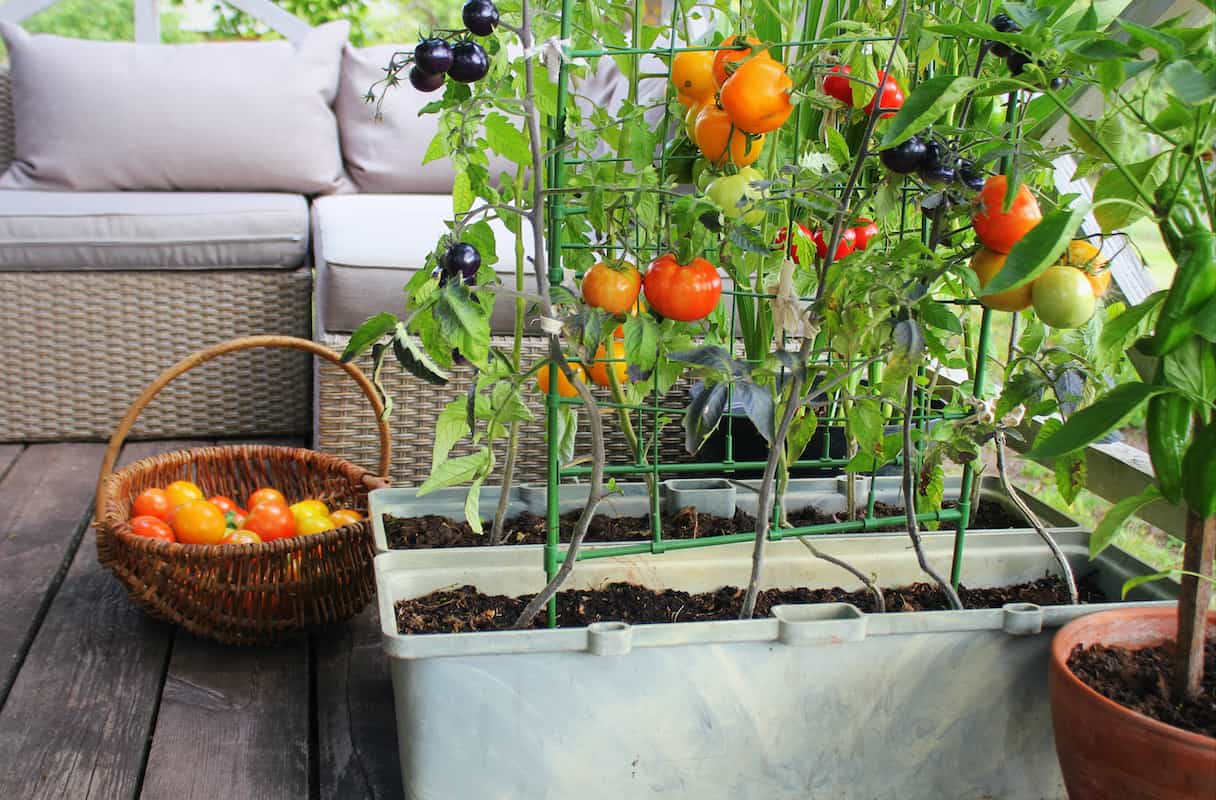
The best patio tomato plants are compact, determinate varieties like Patio Princess, Bush Early Girl, and Better Bush, which stay under 3 to 4 feet tall and don’t need heavy staking. Patios present a different growing environment than open garden beds or balconies, concrete and pavement radiate extra heat, and walls can block wind but also block airflow, so variety choice and placement matter more than on open ground. A single self-supporting patio tomato in a 10-gallon container, positioned for at least 6 hours of direct sun, is usually the simplest setup for a first attempt.
Introduction
A patio isn’t just a smaller version of a garden bed, it behaves differently. Concrete holds and radiates heat long after the sun sets, walls create wind shadows that can trap humidity, and pots on a patio dry out faster than the same pots sitting on soil.
At nextsider.com, we look at these environmental details because they change which tomato varieties actually thrive versus which ones just survive. This guide covers what makes a good patio tomato plant and how to set up the space correctly.
Why Does a Patio Environment Matter for Tomatoes?
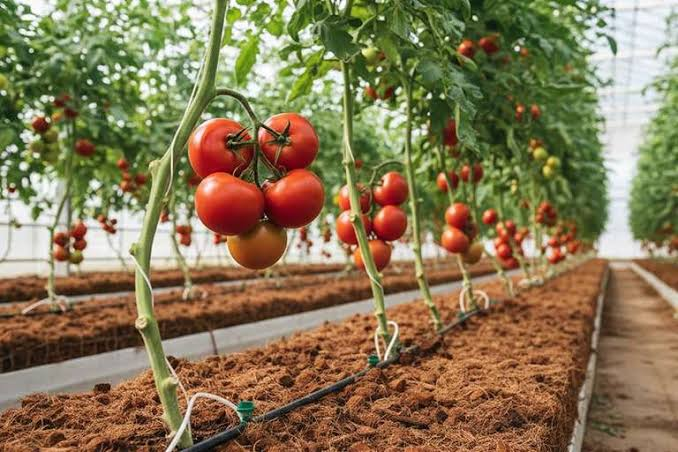
Patios create a distinct microclimate that differs from both open garden beds and elevated balconies. Understanding this helps explain why some “container tomato” advice doesn’t fully apply to patio growing specifically.
Heat Reflection From Pavement
Concrete and stone patios absorb heat throughout the day and radiate it back out well into the evening. This can push root zone and ambient temperatures higher than an open garden bed, which stresses tomato plants during peak summer heat.
Wind Shadows and Airflow
Walls and fencing around a patio block strong wind, which sounds like a benefit, but it can also trap still, humid air around the plant. Poor airflow increases the risk of fungal issues like early blight, especially in humid climates.
In my research comparing patio-specific growing advice against general container guides, this airflow issue comes up repeatedly as an overlooked factor. Spacing plants slightly further apart than you would in open ground helps compensate for this.
Which Tomato Varieties Actually Work Best on a Patio?
Not every “compact” tomato variety is suited to the heat and reduced airflow of a patio setting specifically. These varieties tend to handle that combination well.
Top Patio-Specific Varieties
- Patio Princess: Under 2 feet tall, self-supporting, bred specifically for patio containers
- Better Bush: Compact determinate habit, holds up well to reflected heat, early production
- Bush Early Girl: 54 to 62 days to maturity, minimal staking needed, reliable in warmer microclimates
- Bush Champion: Sturdy determinate plant that handles heat stress better than taller indeterminate types
Pro Tip: If your patio faces south or west and gets strong afternoon sun reflected off concrete or a wall, choose heat-tolerant determinate varieties over indeterminate ones. Taller, vining plants lose moisture faster in that kind of reflected heat and need considerably more frequent watering to keep up.
Why Determinate Varieties Are Usually the Better Fit
Determinate tomatoes stay a fixed height, typically 2.5 to 4 feet, and need less staking, which matters on a patio where wind gusts funneled between walls can knock over an unsupported tall plant more easily than in open ground.
How Do You Set Up a Patio for Growing Tomatoes?
Placement and setup matter as much as variety choice once you’re working with a patio’s specific conditions. A few adjustments make a real difference in plant health over the season.
Placement Checklist
- Choose a spot with at least 6 hours of direct sun, but watch for extra heat if it’s against a south or west-facing wall
- Leave a few inches of clearance between the pot and any wall to allow airflow around the plant
- Use a container with drainage holes and a saucer to protect the patio surface
- Elevate pots slightly with pot feet or a stand to prevent heat buildup at the base
Watering Adjustments for Patio Heat
Because pavement radiates extra heat, patio containers often need watering more frequently than the same container placed on soil or an elevated balcony. Checking soil moisture daily during peak summer heat is worth the extra minute, since patio pots can dry out faster than expected.
Frequently Asked Questions
What is the best tomato plant for a small patio?
Patio Princess is one of the most consistently recommended options, staying under 2 feet tall and requiring no staking, which suits tight patio spaces well.
Do patio tomatoes need more water than garden tomatoes?
Often yes, since pavement radiates heat and containers dry out faster than open garden soil, especially during peak summer heat.
Why do my patio tomatoes get fungal issues even in a dry climate?
Walls and fencing around patios can trap humid, still air around the plant, increasing fungal risk even when the overall climate is dry. Spacing plants for better airflow helps reduce this.
Should I choose determinate or indeterminate tomatoes for a patio?
Determinate varieties are generally better suited to patios since they stay a fixed height, need less staking, and hold up better to wind gusts funneled between walls.
How much sun do patio tomatoes actually need?
At least 6 hours of direct sun is recommended, though extra reflected heat from pavement should be factored in in very hot climates.
Can I grow a full-sized slicing tomato on a patio?
Yes, varieties like Bush Champion and Bush Early Girl can produce good-sized fruit in a 10-gallon or larger container placed on a patio.
Does the color or material of my patio affect tomato growing?
Darker pavement and stone tend to absorb and radiate more heat than lighter-colored surfaces, which can slightly increase the ambient temperature around container plants.
How far should I place tomato containers from a patio wall?
Leaving at least a few inches of clearance helps maintain airflow around the plant and reduces the risk of fungal issues from trapped humidity.
Is it better to elevate patio tomato containers off the ground?
Yes, using pot feet or a stand helps prevent heat build up at the base of the container and improves drainage.
What’s the most common mistake people make growing tomatoes on a patio?
Choosing a tall indeterminate variety without accounting for wind exposure and reflected heat, which often leads to more staking issues and faster soil drying than expected.
Conclusion
A patio isn’t just a smaller garden bed, it’s its own microclimate with reflected heat, wind shadows, and faster-drying containers. Choosing a compact, determinate variety like Patio Princess or Bush Early Girl, and setting up placement with airflow and heat in mind, makes the difference between tomato plants that struggle and ones that actually thrive.
We cover growing setups like this on nextsider.com because the environment often matters as much as the variety itself. Start with one well-placed patio tomato plant this season, and you’ll have a much better sense of what your specific space needs before scaling up next year.
- What Do Squash Leaves Look Like?
- Pros and Cons of an Open Floor Plan: What Nobody Tells You Before You Knock Down a Wall
- Patio Tomato Plants: What to Grow and How to Set Up Your Space
- Zone 8b Planting Schedule: Exact Dates for Every Season
- Buying a Mobile Home With No Money Down: What Actually Qualifies

Leave a Reply