


Introduction
I’ve watched a few friends turn a simple Instagram page into an actual clothing brand, and the pattern is almost always the same. They start small, test one or two designs, and figure out the logistics as they go rather than trying to build the perfect setup on day one.
At nextsider.com, we cover small business and SaaS tools that make this kind of home-based venture realistic to start, so this guide walks through exactly how to launch a clothing business without needing a warehouse or a big upfront investment.
What Are Your Options for Starting a Clothing Business From Home?
Before picking a niche or building a store, it helps to understand the two main paths available. The choice affects your startup cost, workload, and how much control you have over the final product.
Print on Demand vs Wholesale Sourcing
- Print on demand: No inventory, low upfront cost, supplier handles printing and shipping
- Wholesale sourcing: More control over quality and branding, but requires buying inventory upfront
- Hybrid approach: Some sellers start with print on demand, then move to wholesale once demand is proven
In my experience, print on demand is the more forgiving starting point for anyone testing an idea for the first time. It lets you find out if a design actually sells before committing real money to inventory.
Handmade or Custom Clothing
If you sew or design pieces yourself, this path skips outside suppliers entirely. It takes more time per item but often commands higher prices for unique or custom work.
How Do You Choose the Right Niche for a Clothing Business?
Picking a niche shapes almost every decision that follows, from suppliers to marketing. A niche that’s too broad makes it hard to stand out, while one that’s too narrow can limit growth.
Questions to Narrow Down Your Niche
- What styles or trends do you personally care about enough to keep creating for?
- Is there an audience actively searching for this on platforms like TikTok or Pinterest?
- Are competitors already saturating this space, or is there room to stand out?
Pro Tip: When I’ve seen people research this properly, checking what’s trending on Pinterest and TikTok before finalizing a niche made a real difference. One friend almost launched a generic streetwear line, then pivoted to plus-size activewear after noticing a clear gap in that specific market.
Common Home-Based Clothing Niches
- Eco-friendly or sustainable fashion
- Custom graphic tees and streetwear
- Activewear and athleisure
- Plus-size or inclusive sizing lines
How Do You Set Up an Online Store for a Home Clothing Business?
Once you’ve settled on a niche and sourcing method, the store itself is what turns your designs into an actual business. This step ties everything together.
Choosing an Ecommerce Platform
- Shopify: Best for building a dedicated branded store with more customization
- Etsy: Good for handmade or niche items with built-in buyer traffic
- WooCommerce: Works well if you already have a WordPress site and want more control
Essential Pages Your Store Needs
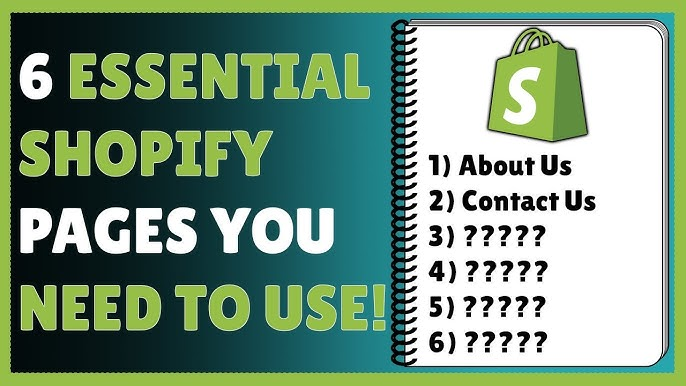
Every store needs clear product pages with detailed descriptions, sizing information, and high-quality photos. A simple pricing formula many sellers use is doubling or tripling the landed cost per item, then adjusting based on competitor pricing and perceived brand value.
Print on Demand vs Wholesale Comparison
| Factor | Print on Demand | Wholesale Sourcing |
|---|---|---|
| Startup cost | Under $100 in many cases | Often $500 to a few thousand dollars |
| Inventory risk | None, made per order | Yes, must buy in bulk |
| Profit margins | Lower per item | Higher per item if sales are consistent |
| Control over quality | Limited to supplier’s process | Full control over materials and production |
| Best for | Testing ideas with low risk | Established demand and scaling |
Frequently Asked Questions
How much money do I need to start a clothing business from home?
With print on demand, some sellers launch for under $100, while wholesale sourcing typically requires several hundred to a few thousand dollars upfront.
Do I need a sewing machine to start a clothing business from home?
No, only if you plan to make handmade or custom pieces yourself. Print on demand and wholesale sourcing don’t require any sewing equipment.
What’s the easiest way to start a clothing business with no experience?
Print on demand is generally the most beginner-friendly option since suppliers handle production, printing, and shipping for you.
Which platform is best for selling clothes online from home?
Shopify works well for building a dedicated brand, while Etsy suits handmade or niche items with existing buyer traffic built in.
How do I price my clothing products correctly?
A common starting formula is pricing at two to three times your landed cost per item, then adjusting based on competitor pricing.
Do I need a business license to sell clothing from home?
Requirements vary by location, so it’s worth checking local regulations, though many home-based sellers start as a sole proprietorship initially.
How long does it take to start seeing sales?
This varies widely, but many home-based sellers focus on consistent social media posting for the first few months before seeing steady traction.
Conclusion
Starting a small clothing business from home is far more accessible now than it used to be, mainly because print on demand removes the inventory risk that used to keep people from trying. The real work comes down to picking a niche you can stick with and testing designs before scaling up.
We cover small business startup guides like this regularly on nextsider.com, since the tools and platforms available today make it realistic to launch something like this without a big upfront investment.



Leave a Reply