

Introduction
The first time I tried VR on a laptop that technically met the “minimum requirements,” the experience was rough. Stuttering, dropped frames, and enough motion sickness to end the session in ten minutes. The hardware wasn’t the problem. The settings were.
At nextsider.com, we dig into practical tech setups like this because VR is far less forgiving than flat-screen gaming when performance isn’t dialed in. This guide covers the exact settings and hardware checks that actually move the needle.
Does Your Laptop Meet the Minimum Requirements for VR?
Before touching any settings, it’s worth confirming your hardware can realistically handle VR. Pushing an underpowered gaming laptop rarely gets fixed through software tweaks alone.
Minimum Hardware for a Usable VR Experience
- GPU: RTX 2060 or GTX 1660 Ti at minimum, RTX 3060 or better for smoother performance across most titles
- CPU: Intel i5 or Ryzen 5 equivalent or higher
- RAM: At least 16GB for stable performance
- Anything below an RTX 2060 will struggle regardless of software optimization
How to Check VR Readiness Accurately
In my experience, the best way to confirm readiness in 2026 is checking the specific VR title’s system requirements directly on its store page, since headset and game demands vary. VRMark by Futuremark is a reliable modern benchmark tool for a standardized pass or fail result. The older SteamVR Performance Test has been removed from Steam and is outdated, so it shouldn’t be used as a reference anymore.
How Do You Configure Windows and GPU Settings for VR?
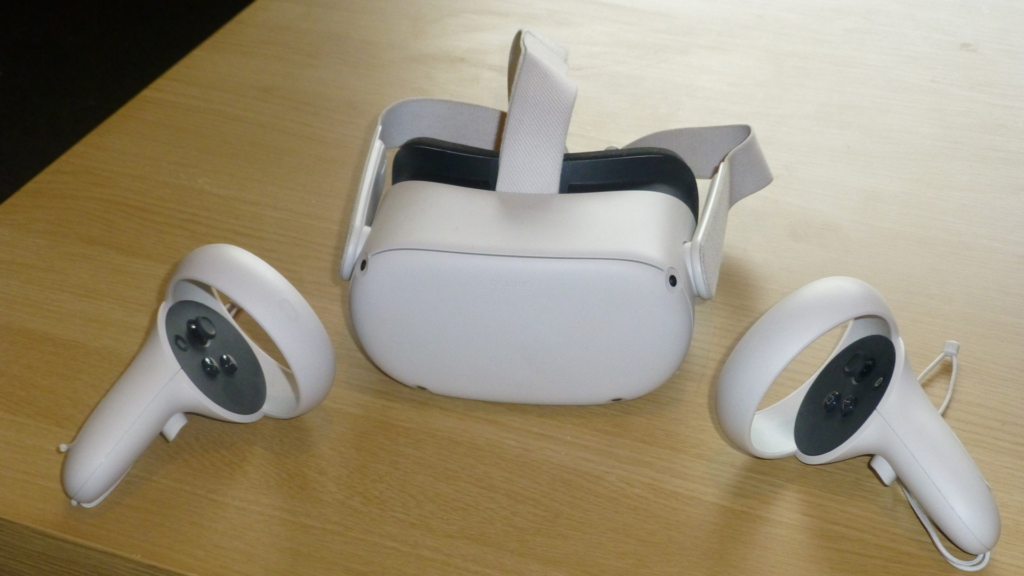
This is the single most impactful change most people skip. Default power settings are built for battery life, not performance, and VR needs every available cycle.
Step-by-Step Power Configuration
- Go to Windows Power Settings and select High Performance
- Disable battery saver, adaptive brightness, and any automatic sleep settings
- Open your GPU control panel (NVIDIA Control Panel or AMD Adrenalin)
- Set Power Management Mode to “Prefer Maximum Performance”
- Avoid the Balanced power plan entirely while in VR, since it throttles clock speeds to save energy
Pro Tip: I’ve tested both Balanced and High Performance back to back on the same VR title, and the frame rate difference was noticeable enough to eliminate stutter that Balanced mode introduced. It’s a five-minute change with an outsized impact.
Keep Drivers and VR Software Updated
Update GPU drivers through GeForce Experience or AMD Adrenalin, along with USB drivers, chipset drivers, and Windows itself. Outdated drivers are a common, overlooked cause of VR compatibility issues and stuttering.
Why Does VR Stutter Even on Capable Hardware?
Stuttering often isn’t a raw power problem. It’s usually a background process, an overlay gaming laptop, or a thermal issue quietly eating into the performance your hardware should be delivering.
Common Causes and Fixes
- Thermal throttling: Check temperatures with HWiNFO64 and add a cooling pad if temps exceed 90°C under load
- Background apps: Close browsers, chat clients, and cloud sync services using Task Manager before launching VR
- Overlays: Disable Xbox Game Bar, gaming laptop GeForce Overlay, and Discord overlay, since these quietly consume GPU resources
- HAGS (Hardware-Accelerated GPU Scheduling): This is a known VR culprit in 2026, disabling it in Windows display settings can resolve persistent stuttering
- USB bandwidth issues: Move your headset to a dedicated USB 3.0 port and avoid USB hubs
In-Game and VR Software Settings
Lower shadows, reflections, ambient occlusion, and turn off motion blur entirely, since VR renders two displays at once and doubles the workload compared to flat gaming and gaming laptop. In SteamVR or the Oculus Debug Tool, reduce render resolution or pixel density to maintain 90 FPS or higher, since consistent frame rate matters more for comfort than maxed-out visuals.
VR Settings Comparison: Performance vs Visual Quality
| Setting | Performance-Focused | Visual Quality-Focused |
|---|---|---|
| Shadows | Off or Low | High |
| Motion Blur | Off | On |
| Render Resolution | 80-90% | 100%+ |
| Power Plan | High Performance | High Performance (required either way) |
| Best for | Lower-end GPUs (RTX 2060 range) | RTX 3060 and above |
Frequently Asked Questions
What GPU do I need to run VR smoothly on a laptop?
An RTX 3060 or better handles most modern VR titles well, while an RTX 2060 or GTX 1660 Ti can work with reduced settings for lighter titles.
Why does my VR headset stutter even though my laptop meets requirements?
Stuttering is often caused by background apps, overlays, thermal throttling, or Hardware-Accelerated GPU Scheduling rather than raw hardware limitations.
Should I use Balanced or High Performance power mode for VR?
High Performance mode should always be used for VR, since Balanced mode throttles CPU and GPU clock speeds to conserve battery.
Does closing background apps actually improve VR performance?
Yes, browsers, chat clients, and cloud sync services consume CPU and RAM that VR needs, so closing them frees up meaningful resources.
What temperature is too hot for a gaming laptop running VR?
Temperatures exceeding 90°C under load typically indicate thermal throttling, which a cooling pad can help manage.
Is the SteamVR Performance Test still a reliable benchmark?
No, it has been removed from Steam and was built for older 2016-era hardware, so it’s no longer an accurate reference in 2026.
Should I prioritize visual quality or frame rate in VR settings?
Frame rate should be prioritized, since inconsistent or low frame rates cause stuttering and motion sickness more than lower visual settings do.
Conclusion
Optimizing a gaming laptop for VR comes down to three things working together: confirming your hardware can realistically handle it, switching to High Performance power settings, and eliminating the background processes and overlays that quietly steal resources. Frame rate stability matters more than chasing maximum visual settings.
We cover practical tech optimization guides like this on nextsider.com because VR performance issues are almost always fixable with the right configuration, not necessarily a hardware upgrade. Work through these settings one at a time to find the balance that keeps your specific setup running smoothly.
- What Do Squash Leaves Look Like?
- Pros and Cons of an Open Floor Plan: What Nobody Tells You Before You Knock Down a Wall
- Patio Tomato Plants: What to Grow and How to Set Up Your Space
- Zone 8b Planting Schedule: Exact Dates for Every Season
- Buying a Mobile Home With No Money Down: What Actually Qualifies









Leave a Reply