
Introduction
I’ve looked closely at a few dancewear businesses while researching apparel niches, and one pattern shows up again and again. The stores that grow fastest aren’t the ones with the biggest ad budgets, they’re the ones deeply plugged into their local dance community.
At nextsider.com, we look at niche retail and SaaS growth strategies regularly, and dancewear is a good example of a market where relationships often matter more than paid marketing. This guide covers practical ways to grow a small dancewear business without needing a massive budget.
Why Is the Dancewear Market Still Growing?
Dance participation has been rising steadily worldwide, which keeps demand for dancewear consistent even as the broader retail market shifts. Understanding this context helps explain why a small dancewear business still has real growth potential.
What’s Driving Demand
- Increased dance studio enrollment across age groups
- Growing popularity of dance content on social platforms like TikTok
- Rising demand for specialty items like pointe shoes and performance costumes
In my research, the specialty side of dancewear, things like properly fitted pointe shoes, consistently comes up as a stronger margin driver than basic leotards or generic activewear.
How Do You Build Local Partnerships for a Dancewear Business?
Dance studios are one of the most direct paths to consistent sales for a small dancewear business. Building these relationships early often matters more than any single marketing campaign.
Ways to Partner With Dance Studios
- Offer studio-branded merchandise or bulk discounts for recital costumes
- Sponsor local recitals or competitions in exchange for visibility
- Provide staff discounts for studio instructors who refer students
- Set up pop-up shops during recital season at partner studios
Pro Tip: When I looked at how successful dancewear retailers structure this, recital and costume season came up repeatedly as the highest-revenue period of the year. Building studio relationships months before that season, not during it, seems to make the biggest difference in actually capturing that demand.
Why Community Trust Matters More Than Ads
The dance world is fairly tight-knit, and word of mouth travels fast within it. A single trusted recommendation from an instructor often carries more weight than a paid ad ever could.
How Do You Increase Sales in an Existing Dancewear Business?
Growth isn’t only about attracting new customers. For many small dancewear businesses, increasing what existing customers spend has a bigger impact on revenue.
Increasing Average Order Value
- Bundle leotards with matching accessories or shoes
- Offer tiered pricing for multi-item purchases
- Highlight higher-margin specialty items like pointe shoes at checkout
Improving Customer Retention
Dancers often need new gear every season as they grow or move up skill levels, which creates a natural repeat-purchase cycle if the relationship is maintained well.
- Send seasonal reminders before recital or competition periods
- Offer loyalty discounts for returning customers
- Follow up after major purchases like pointe shoe fittings
Should You Sell Dancewear Online, In-Store, or Both?
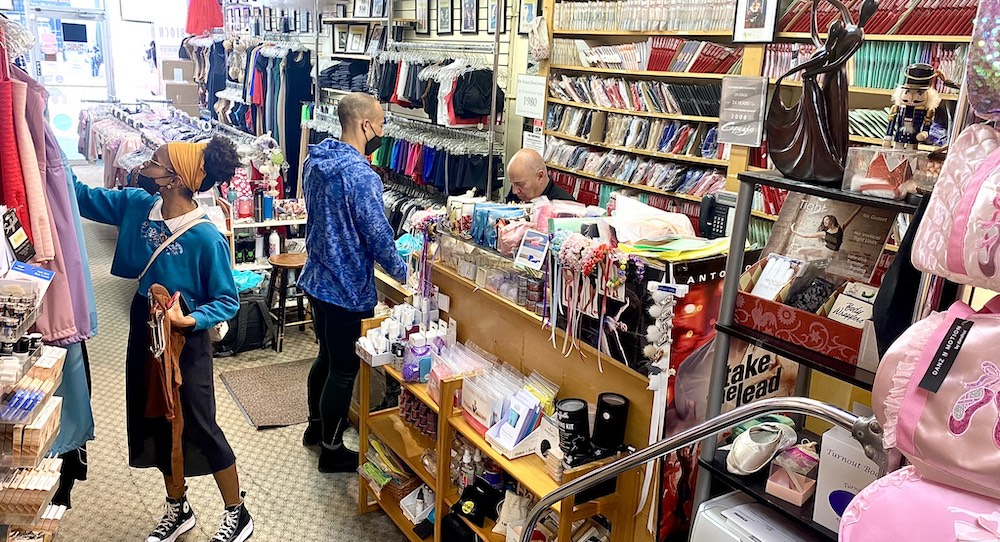
This depends heavily on your local market and how established your dance community connections already are. Neither approach works in isolation for very long.
Comparing Online and In-Store Growth Strategies
| Factor | Online Store | Physical Store Near Studios |
|---|---|---|
| Reach | Wider, not limited by location | Limited to local dance community |
| Fitting-dependent items | Harder to sell, like pointe shoes | Easier, especially with expert fitting |
| Marketing approach | Social media, SEO, dance influencers | Studio partnerships, local events |
| Startup cost | Generally lower | Higher due to rent and staffing |
In my view, a hybrid approach tends to work best for niche apparel like this. Fitting-heavy items sell better in person, while everyday leotards and accessories work fine online.
Frequently Asked Questions
What’s the fastest way to grow a small dancewear business?
Building direct relationships with local dance studios tends to drive faster, more consistent growth than broad advertising alone.
Is the dancewear market still growing in 2026?
Yes, rising dance participation and studio enrollment continue to support steady demand for dancewear worldwide.
Should a dancewear business sell online, in a physical store, or both?
A hybrid approach often works best, since fitting-dependent items like pointe shoes sell better in person, while everyday items sell well online.
How do dance studio partnerships help grow a dancewear business?
Studios provide direct access to a trusted, engaged customer base, often leading to bulk orders during recital and competition seasons.
What items typically have the highest profit margins in dancewear?
It matters, especially for reaching younger dancers and parents, though community trust within the dance world often drives more actual sales.
When is the busiest season for dancewear sales?
Recital and competition season typically drives the highest sales volume, making early studio partnerships especially valuable.
Can a small dancewear business compete with larger retailers?
Yes, especially by focusing on niche specialization, personalized fitting services, and strong local community relationships.
What marketing strategies work best for dancewear brands?
Community-driven marketing through studios, instructors, and dance events tends to outperform generic paid advertising in this niche.
How can a dancewear business increase repeat purchases?
Seasonal reminders, loyalty discounts, and maintaining contact after major purchases like shoe fittings help build repeat business over time.
Conclusion
Growing a small dancewear business comes down to building real relationships within the dance community and making the most of the customers you already have. The market itself continues growing steadily, so the opportunity is there for businesses willing to focus on trust over pure advertising spend.








Leave a Reply