
Quick Answer
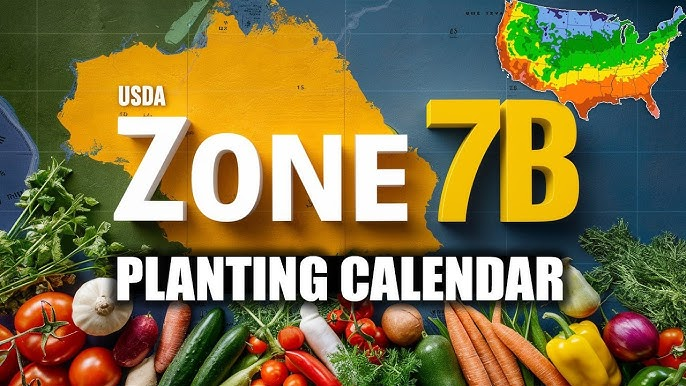
Zone 8b’s last spring frost typically falls between late February and mid-March, and the first fall frost arrives between mid and late November, giving a growing season of roughly 250 to 276 days depending on your exact location. Start tomatoes, peppers, and eggplant indoors in mid-January to mid-February, then transplant them outside from mid-March through mid-April once frost risk passes. Cool-season crops like spinach, lettuce, carrots, and broccoli can go in twice a year, once in January through March, and again in September through November for a full second harvest.
Introduction
Zone 8b covers a strip that runs through coastal Georgia, northern Florida, southern Louisiana, and the Texas Gulf Coast, and it’s one of the more forgiving zones for gardeners because winters stay mild enough to grow something almost year-round.
I’ve pulled together specific dates for every major crop below instead of leaving you to guess from a generic month-by-month overview. At nextsider.com, we believe a planting schedule should actually show you the dates, not make you dig for them, so everything here is laid out directly.
When Are Zone 8b’s Frost Dates?
Frost dates are the anchor for every other planting decision in this zone, so getting these right matters more than any single crop date. Your exact dates will vary slightly depending on how close you are to the coast versus further inland.
Average Frost Dates for Zone 8b
- Last spring frost: Late February to mid-March (commonly cited as Feb 25 to Mar 12 depending on your specific location within the zone)
- First fall frost: Mid to late November (commonly Nov 18 to Nov 28)
- Growing season length: Approximately 250 to 276 frost-free days
In my experience cross-referencing multiple frost-date sources for this zone, the spread between sources (roughly a two-week difference on both ends) comes down to how close a location sits to the coast. Coastal areas in this zone tend to see a slightly longer frost-free window than inland spots.
Pro Tip: Don’t just trust a single zone-wide average. Check your specific county extension office’s frost date data if you’re near the edge of Zone 8b, since a two-week frost date difference can mean the difference between a healthy tomato transplant and one that gets knocked back by a late cold snap.
What’s the Spring Planting Schedule for Zone 8b?
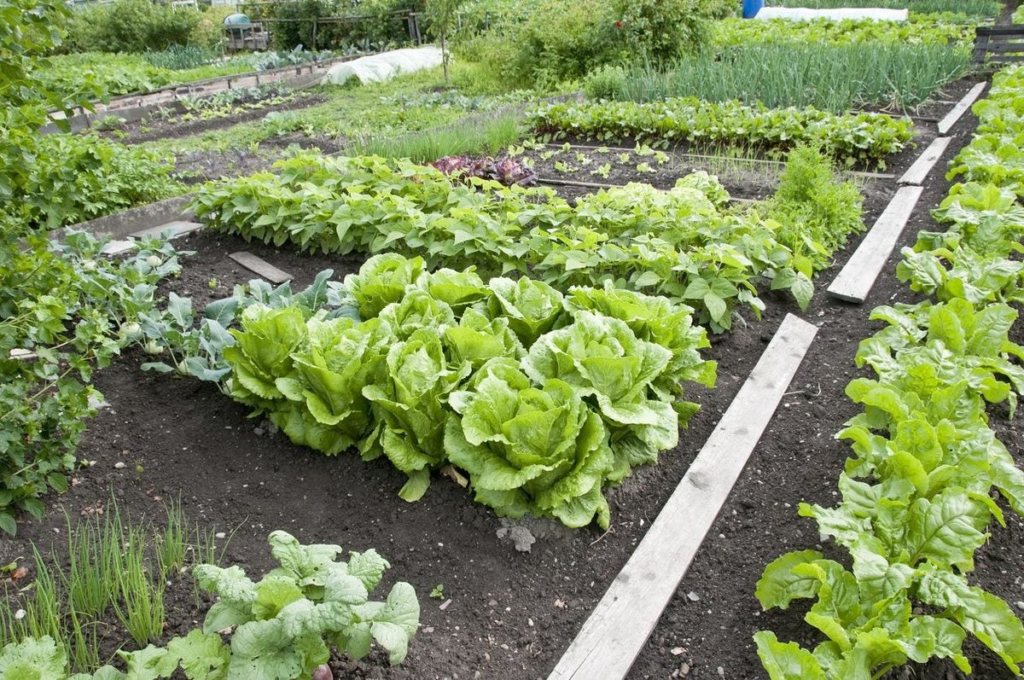
Spring in Zone 8b starts earlier than most of the country expects, and getting the indoor-starting timeline right sets up everything that follows. Missing the early window on slow growers like onions is one of the most common mistakes.
January to Early February: Start Indoors
- Onions, leeks, shallots: start indoors in January
- Broccoli, cabbage, cauliflower: start indoors December 15 to January 10
- Tomatoes, peppers, eggplant: start indoors January 20 to February 15
Mid-February to March: Direct Sow and Early Transplants
- Spinach, arugula, lettuce: direct sow January 15 to March 1
- Carrots, beets, radishes: direct sow January 15 to March 1
- Broccoli, cabbage: transplant outdoors January 20 to February 20
- Peas: direct sow as soon as soil can be worked in February
Late March to April: Warm-Season Transplants
- Tomatoes, peppers, eggplant: transplant outdoors mid-March through mid-April, once overnight lows are reliably above 50°F
- Sweet potato slips: transplant in late April
- Cucumbers, summer squash, zucchini: direct sow April 5 to May 15
Pro Tip: Soil temperature matters more than the calendar date for warm-season crops. Wait until soil hits at least 60°F before transplanting tomatoes and peppers, and closer to 70°F before direct sowing okra, even if the calendar says you’re clear.
What’s the Fall Planting Schedule for Zone 8b?
Fall planting in Zone 8b is essentially a full second growing season, not just a quick tail-end harvest. This is one of the biggest advantages of gardening in this zone compared to colder regions.
August to September: Warm-Season Wind-Down and Cool-Season Restart
- Bush beans, summer squash: last succession planting in early August
- Broccoli, cabbage, kale: start transplants indoors or direct sow in early September
- Spinach, arugula, lettuce: direct sow again September 15 through November 1
September to November: Root Crops and Greens
- Carrots, beets, radishes: direct sow September 1 through November 1
- Garlic: plant cloves in late October through November for a summer harvest
- Collard greens, mustard greens: direct sow through October for winter harvests
Why Fall Crops Often Outperform Spring Crops Here
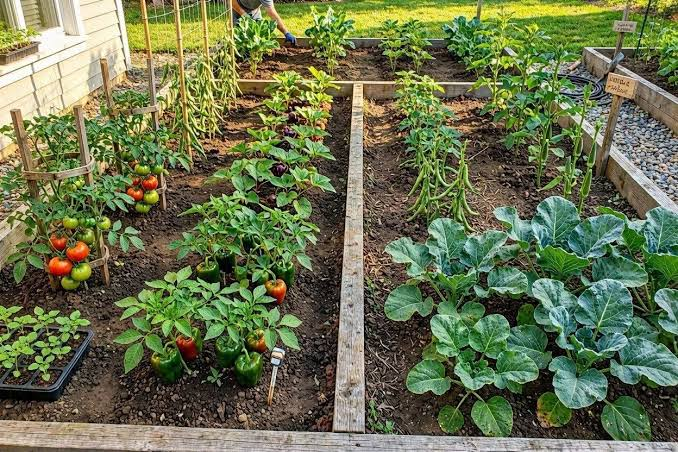
Cool-season vegetables planted in fall often do better than their spring counterparts in Zone 8b, since they mature during cooling temperatures instead of racing against rising spring heat that triggers bolting in crops like lettuce and spinach.
Zone 8b Planting Schedule at a Glance
| Crop Category | Start Indoors | Transplant/Direct Sow (Spring) | Fall Planting Window |
|---|---|---|---|
| Tomatoes, peppers, eggplant | Jan 20 – Feb 15 | Mar 15 – Apr 15 | Not typically fall-planted |
| Broccoli, cabbage, cauliflower | Dec 15 – Jan 10 | Jan 20 – Feb 20 | Early Sept transplant |
| Spinach, lettuce, arugula | Not needed | Jan 15 – Mar 1 (direct sow) | Sept 15 – Nov 1 |
| Carrots, beets, radishes | Not needed | Jan 15 – Mar 1 (direct sow) | Sept 1 – Nov 1 |
| Cucumbers, squash, zucchini | Not needed | Apr 5 – May 15 (direct sow) | Not typically fall-planted |
| Garlic | Not needed | Not spring-planted | Late Oct – Nov |
Frequently Asked Questions
When is the last frost date in Zone 8b?
The last spring frost typically falls between late February and mid-March, depending on how close you are to the coast within the zone.
When should I start tomato seeds indoors for Zone 8b?
Start tomato seeds indoors between January 20 and February 15, then transplant outdoors from mid-March through mid-April once night time lows stay above 50°F.
Can I grow vegetables year-round in Zone 8b?
Yes, with careful crop selection. Cool-season crops like spinach, carrots, and broccoli can be grown from fall through early spring, while warm-season crops fill the summer months.
When should I plant garlic in Zone 8b?
Garlic is typically planted in late October through November for a harvest the following summer.
What vegetables can I direct sow twice a year in Zone 8b?
Spinach, lettuce, arugula, carrots, beets, and radishes can all be direct sown in both a spring window (January to March) and a fall window (September to November).
How long is the growing season in Zone 8b?
The growing season runs approximately 250 to 276 frost-free days, depending on your specific location within the zone.
Why do my spring greens bolt so quickly in Zone 8b?
Rising spring temperatures trigger bolting in cool-season crops like lettuce and spinach, which is why many Zone 8b gardeners get better results planting these in fall instead.
When should I start okra and southern peas?
These heat-loving crops should be direct sown after soil temperatures reach around 70°F, typically in May once the weather is consistently warm.
Is Zone 8b good for growing citrus or other perennial crops?
Many Zone 8b areas can support cold-hardy citrus and perennials like figs and blueberries, though occasional hard freezes can still pose a risk in the coldest years.
What’s the biggest mistake gardeners make with Zone 8b timing?
Relying on a single zone-wide frost date average instead of checking local county extension data, since coastal versus inland location within the zone can shift dates by up to two weeks.
Conclusion
Zone 8b rewards gardeners with one of the longest growing seasons in the country, but getting the most out of it means working from actual dates, not vague seasonal guesses. Starting slow growers early, timing warm-season transplants around soil temperature rather than the calendar, and taking full advantage of the fall second season are what separate a good Zone 8b garden from a great one.
We’ll keep this schedule updated on nextsider.com as frost data shifts year to year. If you’re near the edge of Zone 8b, cross-checking these dates against your local extension office is always worth the extra few minutes.
- What Do Squash Leaves Look Like?
- Pros and Cons of an Open Floor Plan: What Nobody Tells You Before You Knock Down a Wall
- Patio Tomato Plants: What to Grow and How to Set Up Your Space
- Zone 8b Planting Schedule: Exact Dates for Every Season
- Buying a Mobile Home With No Money Down: What Actually Qualifies

Leave a Reply