

Quick Answer
Home services refers to any professional trade, repair, maintenance, or installation work performed inside or around a residential property, including plumbing, HVAC, electrical, cleaning, landscaping, pest control, and remodeling. The US home services market is estimated between $650 billion and $750 billion annually as of 2025, and demand keeps growing as homeowners outsource more upkeep tasks. At nextsider.com, we break down what actually falls under this category and how to pick a provider you can trust.
Introduction
Home services is one of those terms that sounds simple until you try to define its edges. I have dug through industry reports and current market data to map out where the category actually starts and stops.
In this guide for nextsider.com, I will cover the main categories of home services, current industry trends shaping the space in 2026, and practical tips for choosing a provider without getting burned.
What Exactly Falls Under Home Services?
Home services covers any trade or maintenance work done on a residential property, and it spans a much wider range than most people initially assume. There is no single official classification, but most industry sources group it into a handful of consistent categories.
Main Categories
- Repair and maintenance, covering HVAC, plumbing, and electrical work
- Cleaning and housekeeping, from routine house cleaning to deep cleans
- Landscaping and lawn care, including tree trimming and seasonal upkeep
- Installation and construction, like remodeling or appliance installation
- Outdoor and property services, such as pool maintenance and pest control
- Restoration, covering water damage, fire and smoke remediation, and mold removal
In my experience looking at how these categories overlap, restoration work stands out because a large share of it, roughly 70 percent by some industry estimates, ties directly to insurance claims rather than routine maintenance.
Why Is Home Services Growing So Fast Right Now?
Home services is expanding quickly because homeowners are outsourcing more upkeep than ever, skilled trades remain in short supply, and severe weather events keep driving demand for repair and restoration work. This combination has made the industry one of the fastest-growing segments in local service business ownership.
Key Growth Drivers
- Rising homeowner willingness to pay for outsourced help instead of DIY
- A shortage of skilled trade labor pushing up demand and pricing
- Extreme weather events increasing repair, roofing, and restoration needs
- Suburban housing growth in the Sun Belt and secondary Midwest and Southeast markets
Pro Tip: Based on what I have seen across recent industry pricing data, the cost per lead for home services businesses has more than doubled in just a few years, from around $50 to over $100. If you run or hire for a home services business, this shift alone explains why marketing costs have climbed even when the actual repair work hasn’t changed much.
How Is Technology Changing Home Services in 2026?
AI and field service software are reshaping how home services companies estimate jobs, schedule appointments, and track technicians, making the industry noticeably more data driven than it was even a few years ago. This shift is happening across nearly every category, not just the largest franchises.
Where Technology Is Showing Up Most
- AI-assisted estimating, where technicians photograph damage and get instant preliminary cost estimates
- Field service management software, handling dispatching, invoicing, and real-time technician tracking
- Online booking systems, since most consumers now prefer scheduling appointments without a phone call
- Employee tracking tools, used to monitor service quality amid ongoing labor shortages
This last point matters more than it might seem. A persistent shortage of skilled workers has pushed some companies to promote less experienced staff faster than ideal, which is part of why tracking and quality monitoring tools have become more common.
Home Services vs Home Improvement: What’s the Difference?
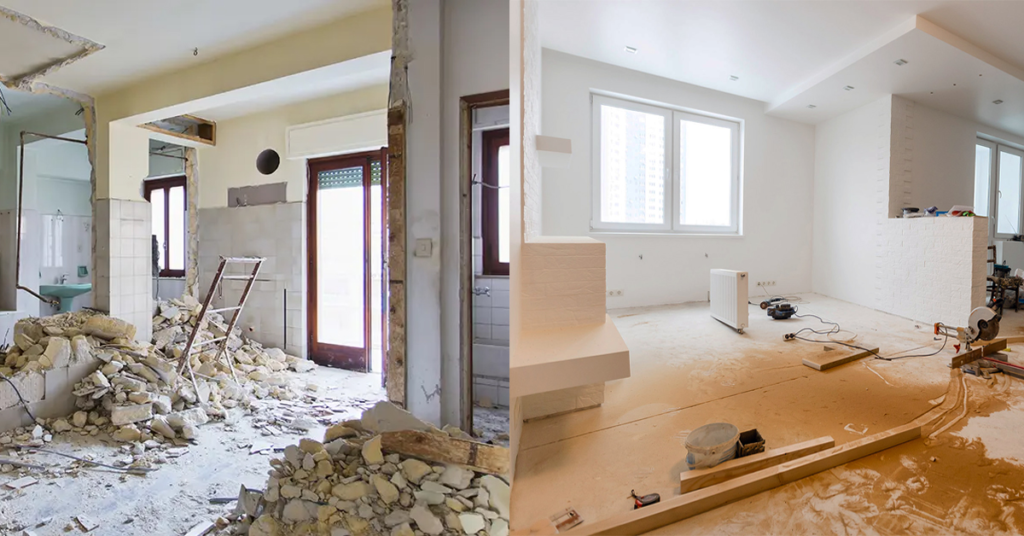
Home services is a broader category that includes recurring maintenance and repair work, while home improvement typically refers to larger, often one-time projects meant to upgrade or renovate a property. The two overlap but are not identical.
Quick Comparison
| Factor | Home Services | Home Improvement |
|---|---|---|
| Frequency | Often recurring (cleaning, lawn care, HVAC checkups) | Usually a one-time project |
| Examples | Plumbing repair, pest control, housekeeping | Kitchen remodel, deck build, room addition |
| Typical trigger | Something breaks or needs upkeep | A planned upgrade or renovation |
| Provider type | Often smaller local contractors or franchises | General contractors, specialty remodelers |
Some categories, like appliance installation or bathroom updates, can genuinely fall into both buckets depending on the scope of the job.
How Should You Choose a Home Services Provider?

Choosing a reliable home services provider comes down to verifying licensing, checking recent reviews, and understanding pricing before work begins, not just picking the first listing that appears in a search. This matters more for jobs involving gas lines, high voltage electrical work, or anything requiring a permit.
A Practical Checklist
- Confirm the provider is licensed and insured for the specific type of work
- Check reviews from the last 6 to 12 months, not just overall ratings
- Ask for a written estimate before any work begins
- Verify whether a permit is required, especially for electrical or gas-related jobs
- Avoid providers who pressure you into same-day, no-questions-asked payment
A simple rule worth remembering: if the job involves gas lines, 240-volt circuits, or requires a permit, it is worth hiring a licensed professional rather than attempting it yourself or hiring an unlicensed handyman.
FAQ
What is considered a home service?
A home service is any professional trade, repair, maintenance, or installation work performed on a residential property, including plumbing, HVAC, electrical, cleaning, and landscaping.
How big is the home services industry?
The US home services market is estimated between $650 billion and $750 billion annually as of early 2025, and it continues to grow.
Is landscaping considered a home service?
Yes, landscaping and lawn care fall squarely under the home services category, along with pest control and other outdoor property maintenance.
What is the difference between home services and home improvement?
Home services generally covers recurring maintenance and repair work, while home improvement usually refers to larger, often one-time renovation projects.
Why has home services marketing gotten more expensive?
Rising demand and competition have pushed the average cost per lead from around $50 to over $100 in just a few years, according to recent industry data.
Do I need a license to hire a home services provider?
You do not need a license yourself, but you should confirm the provider is licensed and insured, especially for electrical, plumbing, or gas-related work.
What role does AI play in home services now?
AI is increasingly used for job estimating, damage assessment through photos, scheduling, and customer service, making operations faster and more data driven.
Is restoration work part of home services?
Yes, restoration, including water damage cleanup, fire and smoke remediation, and mold removal, is considered part of the home services industry.
Conclusion
Home services covers far more ground than most people realize, from routine cleaning to major storm restoration, and understanding where each category fits helps you know exactly what you are hiring for. Choosing the right provider comes down to verifying credentials and getting clear pricing before work starts, not just convenience. At nextsider.com, we will keep tracking how this fast-growing industry continues to evolve.
- What Do Squash Leaves Look Like?
- Pros and Cons of an Open Floor Plan: What Nobody Tells You Before You Knock Down a Wall
- Patio Tomato Plants: What to Grow and How to Set Up Your Space
- Zone 8b Planting Schedule: Exact Dates for Every Season
- Buying a Mobile Home With No Money Down: What Actually Qualifies





Leave a Reply