
Quick Answer
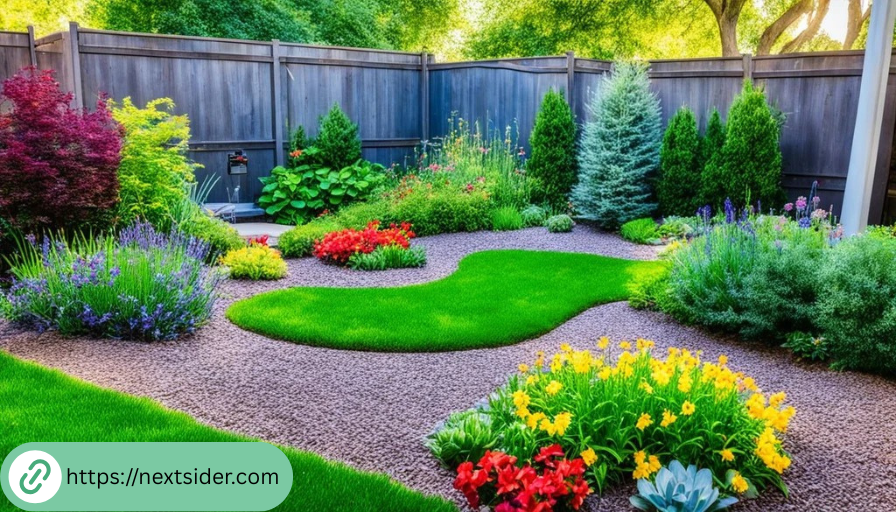
To create a pet-friendly garden, remove toxic plants like lilies, azaleas, and sago palms, choose pet-safe alternatives such as marigolds, sunflowers, and snapdragons, and design the layout around your pet’s natural behavior. This means adding a designated digging zone for dogs, secure fencing, non-toxic ground cover like clover, and shaded rest areas. A well-planned pet-friendly garden lets your dog or cat roam safely while still looking beautiful.
Introduction
I’ve noticed most pet-friendly garden guides stop at handing you a toxic plant list and calling it done. That’s only half the picture. A perfectly plant-safe garden can still be a problem if it’s full of sharp gravel, cocoa mulch, or no outlet for a dog’s natural urge to dig.
At nextsider.com, we look at practical home and garden topics because a garden that fights against your pet’s instincts rarely stays nice for long. This guide covers both the plant side and the design side of building a garden that actually works for pets.
Why Do Toxic Plants Matter So Much in a Pet-Friendly Garden?
Plant toxicity is the most talked-about part of pet-friendly gardening, and for good reason. Thousands of pets are treated every year for ingesting something they shouldn’t have.
Common Toxic Plants to Remove or Avoid
- Lilies, especially dangerous for cats
- Azaleas, rhododendrons, and oleander
- Sago palms, which are highly toxic to both dogs and cats
- Autumn crocus, tulip and daffodil bulbs
- English ivy and yew
In my experience walking a yard with a new dog owner, checking the ASPCA’s toxic plant list before buying anything new saves a lot of stress later. It’s a free resource and the most reliable place to double check an unfamiliar plant.
Pet-Safe Plants Worth Planting Instead
- Marigolds, sunflowers, and snapdragons for color
- Zinnias and petunias for easy, low-maintenance blooms
- Coral bells and ferns for shaded areas
- Lamb’s ear for a soft, safe texture pets can brush against
Pro Tip: Even officially “non-toxic” plants can cause mild stomach upset in large quantities, so it’s still worth discouraging heavy grazing, especially with cats that like to nibble on greenery out of boredom.
How Do You Design a Garden Around Your Pet’s Behaviour?
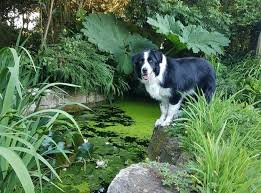
Plants are only one part of the equation. The layout itself needs to account for how dogs and cats actually behave outdoors, not just what they might eat.
Designing for Dogs
- Set up a designated dig zone with loose soil or sand so digging instincts have an outlet
- Choose durable, non-toxic ground cover like clover instead of standard grass, since it resists urine burn spots and stays soft on paws
- Add secure fencing with no gaps a smaller dog could squeeze through
- Avoid sharp gravel or cocoa mulch near play areas, since cocoa mulch is toxic if ingested
Designing for Cats
Cats tend to explore, climb, and squeeze into tight spots, so boundaries work differently than they do for dogs. A catio or enclosed outdoor space gives cats fresh air and stimulation while keeping them contained and away from traffic or predators.
Shared Design Needs
- Shaded rest areas for both dogs and cats to relax during hot weather
- Clear pathways using gravel, mulch, or stone to reduce plant trampling
- Access to fresh water to discourage drinking from standing puddles or ponds
What Ground Cover Works Best for a Pet-Friendly Garden?
Traditional grass lawns often struggle under heavy pet traffic, developing bare patches and urine burn spots. Choosing the right ground cover early on saves a lot of reseeding and patchwork later.
Clover vs Traditional Grass Lawns
| Factor | Clover Lawn | Traditional Grass |
|---|---|---|
| Urine resistance | Yes, doesn’t yellow | No, often burns and yellows |
| Paw comfort | Soft | Varies by grass type |
| Maintenance | Low, nitrogen-fixing | Higher, needs fertilizer |
| Pet toxicity | Non-toxic | Non-toxic |
| Durability under heavy traffic | Good | Moderate |
Micro-clover blended into an existing lawn is a practical middle ground if you’re not ready to replace grass entirely. It fills bare spots naturally and crowds out weeds over time.
Frequently Asked Questions
What plants are most dangerous to dogs and cats in a garden?
Lilies, sago palms, azaleas, oleander, and autumn crocus are among the most commonly cited dangerous plants for pets.
Is cocoa mulch safe to use in a pet-friendly garden?
No, cocoa mulch contains compounds toxic to dogs and should be avoided in areas pets can access.
What ground cover is best for a garden with dogs?
Clover is a popular non-toxic option since it resists urine burn, stays soft on paws, and requires less maintenance than traditional grass.
How do I stop my dog from digging up my garden beds?
Setting up a designated digging zone with loose soil gives dogs an approved outlet, which often reduces digging elsewhere in the yard.
Are all lilies dangerous to pets, or just certain types?
Most true lilies are considered highly toxic to cats specifically, so it’s safest to avoid the lily family entirely in a pet-accessible garden.
Can cats be let outside safely in a pet-friendly garden?
Yes, with proper fencing or a catio enclosure, cats can enjoy outdoor time safely without the risks of roaming freely.
How do I know if a specific plant is toxic to my pet?
Checking the ASPCA’s toxic and non-toxic plant list before purchasing is the most reliable way to verify a specific plant’s safety.
Conclusion
Creating a pet-friendly garden comes down to two things working together: choosing non-toxic plants and designing the space around how your pet naturally behaves. Skipping either half of that leaves gaps, whether it’s a toxic plant left in reach or a beautifully plant-safe garden with nowhere for a dog to dig.
We cover practical home and garden guides like this on nextsider.com because a garden that respects your pet’s instincts tends to stay healthier and last longer for everyone. Start with the toxic plant check, then build the layout around your specific pet’s habits from there.
- What Do Squash Leaves Look Like?
- Pros and Cons of an Open Floor Plan: What Nobody Tells You Before You Knock Down a Wall
- Patio Tomato Plants: What to Grow and How to Set Up Your Space
- Zone 8b Planting Schedule: Exact Dates for Every Season
- Buying a Mobile Home With No Money Down: What Actually Qualifies



Leave a Reply