
Introduction
I’ve walked a few small contractors and cleaning business owners through this process, and the two terms almost always get confused at first. Being bonded and being insured protect against completely different things, even though they’re usually mentioned together.
At nextsider.com, we cover practical small business topics like this because getting bonded and insured can directly affect whether a client hires you over a competitor. This guide breaks the process down step by step, including realistic cost ranges based on current industry data.
What Does It Mean to Be Bonded and Insured?
These two terms get bundled together constantly, but they cover different risks. Understanding the difference matters before you start applying for either one.
What a Surety Bond Actually Covers
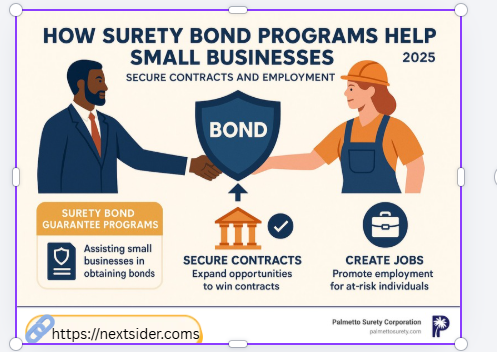
A surety bond is a three-party agreement between your business, your client, and the bond provider. If you fail to meet your contractual obligations, the bond pays your client, and you’re then responsible for reimbursing the surety company.
What Business Insurance Actually Covers
Business insurance protects your company from financial losses due to accidents, property damage, or injuries. Unlike a bond, insurance doesn’t require reimbursement since you’re paying premiums for direct coverage.
Bonded vs Insured Quick Comparison
| Factor | Surety Bond | Business Insurance |
|---|---|---|
| Who it protects | Your client | Your business |
| Repayment required | Yes, if a claim is paid out | No |
| Common types | License bonds, performance bonds, fidelity bonds | General liability, workers’ comp, commercial auto |
| Typical cost | 1% to 10% of bond amount | $400 to $1,500+ per year |
Why Do Small Businesses Need to Be Bonded and Insured?
Clients and state licensing boards often require proof of both before awarding contracts or issuing licenses. Beyond the legal requirement, it also builds trust with clients who are comparing you against competitors.
Situations Where Bonding Matters Most
- Contractors bidding on construction or government projects
- Auto dealers and freight brokers who need license bonds to operate legally
- Businesses handling client property, like cleaning or moving companies
Situations Where Insurance Matters Most
In my experience, general liability insurance is usually the first policy small businesses buy, simply because it’s affordable and covers the most common risks. A ladder slipping and damaging a client’s property is a realistic example I’ve seen play out, and liability coverage is what keeps that cost off the business owner’s shoulders.
How Do You Get Bonded and Insured for a Small Business?
The process follows a fairly consistent path across most industries, though specific requirements vary by state and business type. Here’s how it typically works.
Step-by-Step Process
- Check your state and industry requirements for bonding and insurance
- Contact a licensed surety provider and complete a bond application
- Provide business financial details, including credit history and experience
- Wait for the surety company to assess your risk and issue a quote
- Pay the bond premium and receive your official bond certificate
- Separately, get quotes from insurance providers for general liability or other required coverage
- Purchase the insurance policy and keep documentation on file for clients
Pro Tip: When I’ve helped business owners through this, checking their personal credit score before applying saved a lot of frustration. A stronger credit score often means a lower bond premium, so it’s worth checking that number first instead of getting surprised by a quote.
What Affects Your Bonding and Insurance Costs
- Personal and business credit score
- Industry risk level, with construction typically costing more than office-based services
- Bond amount required by your state or client
- Claims history, if your business has been operating for a while
Frequently Asked Questions
How much does it cost to get bonded and insured for a small business?
Bond premiums typically run 1 percent to 10 percent of the bond amount, while general liability insurance often costs $400 to $1,500 annually depending on risk level.
Do I need to be bonded and insured for every type of small business?
No, requirements depend on your industry and state. Contractors, auto dealers, and freight brokers often need bonds, while general liability insurance is common across most industries.
What’s the difference between bonded and insured?
A bond protects your client if you fail to meet contract terms, while insurance protects your business from financial losses due to accidents or damage.
How long does it take to get bonded?
Many bond applications can be processed within a few minutes to a few days, depending on the bond type and how quickly financial documentation is provided.
Can a business with bad credit still get bonded?
Yes, though premiums are usually higher. Some providers specialize in bad credit bonds, though the cost difference can be significant.
Is general liability insurance the same as being bonded?
No, they’re separate products that cover different risks, even though many businesses carry both together.
Do I need to renew my bond and insurance every year?
Yes, most bonds and insurance policies require annual renewal, and providers typically send renewal notices before expiration.
Can I get bonded and insured through the same company?
Some providers offer both bonds and insurance, which can simplify the process, though comparing separate quotes sometimes gets better rates.
Conclusion
Getting bonded and insured comes down to knowing what your industry requires, then handling the bond and insurance applications as two separate but related steps. It might feel like extra paperwork upfront, but it protects both your business and your clients if something doesn’t go as planned.
We put this guide together on nextsider.com to help small business owners get through this process without the usual confusion between bonding and insurance. Once it’s set up, it’s mostly just annual renewals to keep track of going forward.





Leave a Reply