

Quick Answer
Trade school is generally considered a form of postsecondary or higher education, but it’s not the same as traditional college in the four-year university sense. Accredited trade schools count as legitimate postsecondary institutions, some issue associate degrees while others award certificates or diplomas, and many qualify for federal financial aid through FAFSA just like community colleges do. Whether it counts as “college” often depends on the specific context, such as job applications, financial aid, or credit transfer.
Introduction
I’ve seen this question trip up a lot of people filling out job applications, since the “highest education” dropdown menu rarely explains what actually counts. Trade school sits in a confusing middle ground that isn’t quite high school and isn’t quite a traditional university.
At nextsider.com, we cover practical education and career topics like this because the terminology genuinely affects things like financial aid eligibility and how employers read a resume. This guide breaks down exactly where trade school fits and why the answer depends on context.
Does Trade School Officially Count as College?
The honest answer depends on which definition of “college” is being used. Trade school fits comfortably under the broader umbrella of postsecondary education, even when it doesn’t match the traditional four-year college image.
Postsecondary Education vs Traditional College
Trade schools, vocational schools, and technical institutes are all classified as postsecondary education, the same broad category that includes community colleges and universities. This classification matters most for financial aid and government reporting purposes.
Why the Confusion Exists
Most people picture “college” as a four-year university experience with a bachelor’s degree at the end. Trade school programs are typically shorter, more career-specific, and often result in a certificate or associate degree rather than a bachelor’s degree, which is where the disconnect comes from.
Is Trade School Accredited Like a College?
Accreditation is really the key factor that determines whether a trade school functions like a legitimate postsecondary institution. This is also what determines financial aid eligibility.
What Accreditation Means for Trade Schools
Accreditation means a school meets standards set by an independent agency, such as the Accrediting Commission of Career Schools and Colleges, ensuring the training meets employer expectations in that field.
Why Accreditation Matters So Much
Pro Tip: When researching trade programs, checking for “Title IV eligible” status is one of the fastest ways to confirm legitimacy. If a school accepts federal financial aid, it’s almost certainly properly accredited, since Title IV eligibility requires meeting federal education standards.
- Accredited trade schools can participate in federal financial aid programs
- Employers and licensing boards often require training from an accredited program
- Credits from accredited trade programs may transfer to other institutions more easily
Can You Use FAFSA for Trade School?
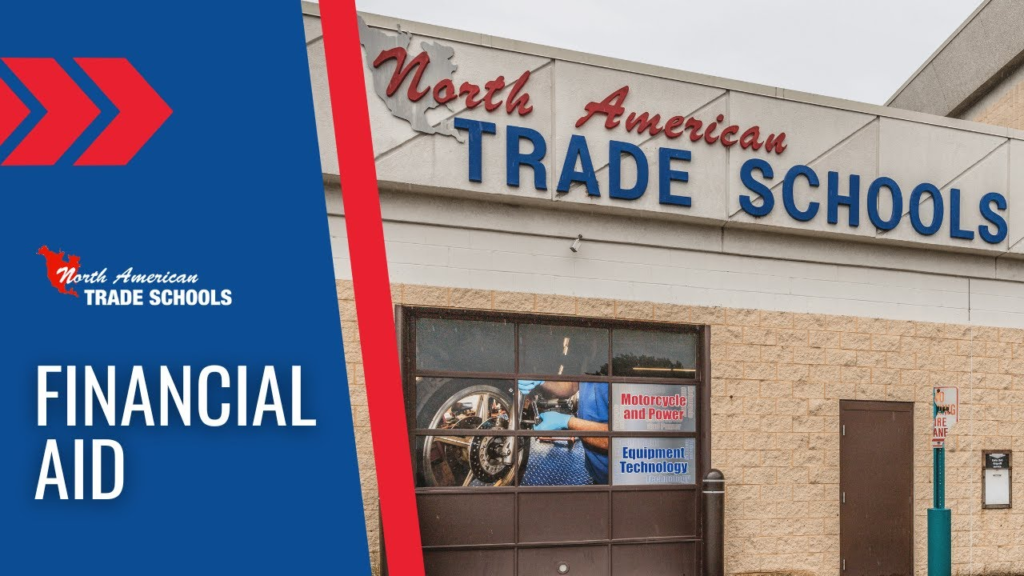
Yes, and this is one of the clearest signals that trade school is treated similarly to college in practical terms. Federal financial aid isn’t limited to four-year universities.
FAFSA Eligibility for Trade Programs
- The trade school must be accredited and hold a federal school code
- Students must meet standard FAFSA eligibility requirements, including citizenship or eligible noncitizen status
- Both community colleges and standalone trade academies can qualify if they meet these requirements
What’s Changing in 2026
Recent federal changes, sometimes referred to as Workforce Pell Grant expansions, have broadened Pell Grant access to shorter-term vocational programs that previously didn’t qualify, including some courses as short as a few months long. This significantly expands financial aid access for programs like welding, HVAC, and CDL training.
Trade School vs Traditional College Comparison
| Factor | Trade School | Traditional College |
|---|---|---|
| Typical program length | Several months to 2 years | 2 to 4+ years |
| Common credential | Certificate or associate degree | Associate, bachelor’s, or higher |
| FAFSA eligibility | Yes, if accredited and Title IV eligible | Yes |
| Focus | Career-specific skills training | Broader academic curriculum |
| Classified as postsecondary education | Yes | Yes |
Frequently Asked Questions
Is trade school the same thing as college?
Not exactly. Both fall under postsecondary education, but trade school typically focuses on career-specific training rather than a broad academic curriculum.
Does trade school count as “some college” on a job application?
This can vary by employer, though completing an accredited trade program is often viewed similarly to postsecondary education on applications.
Can you get an associate degree from trade school?
Yes, some trade schools and technical colleges offer associate degrees, while others issue certificates or diplomas instead.
Is FAFSA available for trade school students?
Yes, as long as the trade school is accredited and holds a federal school code, students can apply for FAFSA just like college students.
Do trade school credits transfer to a four-year university?
Sometimes, though transferability depends on the specific programs and whether the trade school is regionally or nationally accredited.
Is trade school considered higher education?
Yes, accredited trade schools fall under the broader category of postsecondary or higher education, alongside community colleges and universities.
What’s the difference between a trade school certificate and a college degree?
A certificate typically confirms completion of a specific skills program, while a degree, especially a bachelor’s, usually includes broader academic coursework.
Conclusion
Trade school is considered a legitimate form of postsecondary education, even though it doesn’t match the traditional four-year college model most people picture. Accreditation and Title IV eligibility are what really determine whether a program functions like college for financial aid and credential purposes.
We cover practical education and career decisions like this on nextsider.com to help clear up confusing terminology before people commit time and money to a program. If you’re weighing trade school against traditional college, checking accreditation status is the first step either way.




Leave a Reply