
Quick Answer
To become a mental health counselor, you need a bachelor’s degree, a master’s degree in clinical mental health counseling from an accredited program, 2,000 to 4,000 hours of supervised clinical experience, and a passing score on a national licensing exam. The full process typically takes six to eight years from starting college to earning independent licensure. Requirements vary by state, so checking your specific state licensing board early on saves a lot of confusion later.
Introduction
I’ve talked to a few people who started this path without realizing just how long the supervised hours requirement actually takes. It’s not something you rush, and that surprises a lot of career changers.
At nextsider.com, we cover career and industry guides like this because understanding the real timeline before enrolling in a program matters more than most people expect. This guide walks through exactly what’s required, how licensure works, and what the career actually looks like once you’re in it.
What Does a Mental Health Counselor Actually Do?
Before diving into the education path, it helps to understand what the day-to-day role involves. This shapes whether the career is the right fit before committing years of schooling to it.
Core Responsibilities
Mental health counselors provide therapy for individuals, couples, families, and groups, often focusing on concerns like anxiety, depression, trauma, and relationship issues. They work across settings including private practice, hospitals, schools, and community agencies.
Common Work Settings
- Private practice, either independent or group-based
- Hospitals and outpatient care centers
- Schools and universities
- Community mental health agencies
In my experience researching this field, outpatient and hospital settings tend to pay more than residential treatment facilities, though private practice offers more schedule flexibility once established.
What Education Do You Need to Become a Mental Health Counsellor?
Every state requires graduate-level education for independent licensure, so this step isn’t optional no matter which state you’re in. The path is fairly standardized even though exact program requirements vary.
Step 1: Complete a Bachelor’s Degree
A bachelor’s degree in psychology, sociology, or a related field is common, though some graduate programs accept unrelated degrees with additional prerequisite coursework.
Step 2: Earn a Master’s Degree in Counseling
Most states require a master’s degree with around 60 graduate credits from a program accredited by CACREP, which is considered the standard accrediting body for counselor education in the United States.
Why Program Accreditation Matters
Many states either require or strongly prefer graduation from a CACREP-accredited program for licensure eligibility. Even where it’s not mandatory, employers and clinical supervisors often favor candidates from accredited programs.
How Do You Get Licensed as a Mental Health Counselor?
Licensure is where the timeline really stretches out, since it requires supervised, hands-on clinical work after graduate school. This step can’t be skipped or shortened, regardless of how strong your academic record is.
Step-by-Step Licensure Process
- Complete your accredited master’s degree program
- Apply for a temporary or provisional license to begin supervised practice
- Complete 2,000 to 4,000 supervised clinical hours, depending on your state
- Pass a national licensing exam, such as the NCMHCE or NCE
- Submit your state license application with transcripts and supervised hour verification
- Maintain your license through continuing education requirements
Pro Tip: When researching this path, I noticed supervised hour requirements vary more than people expect between states. New York, for example, requires 3,000 hours with 1,500 of direct client contact, while other states set different totals entirely. Confirming your specific state’s requirement before starting supervision saves a lot of wasted hours down the line.
How Long Does the Whole Process Take?
Between the bachelor’s degree, master’s program, and supervised hours, most people take somewhere between six and eight years total before earning independent licensure.
Is Becoming a Mental Health Counsellor Worth It?
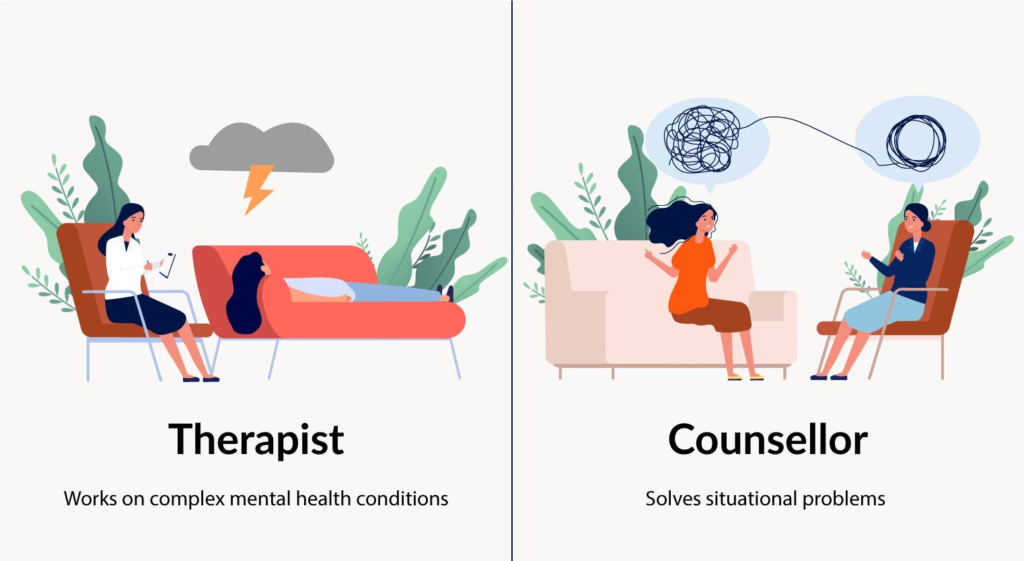
This depends on personal fit as much as career outlook, though the job market data gives a useful starting point. Growth in this field has outpaced many other occupations in recent years.
Job Outlook and Salary
Mental health and substance abuse counseling is projected to grow significantly faster than the average across all US occupations through the next decade. Nationally, average counselor salaries tend to fall in the mid-$60,000s, though this varies widely by state, setting, and experience level.
Factors That Affect Counselor Salary
- State and cost of living differences
- Work setting, with hospitals and outpatient centers often paying more
- Years of experience and specialization
- Private practice versus employed positions
Frequently Asked Questions
How long does it take to become a licensed mental health counsellor?
Most people complete the full path in six to eight years, including a bachelor’s degree, master’s program, and supervised clinical hours.
Do all states require a master’s degree for counselling licensure?
Yes, all US states require graduate-level education for independent licensure, though some allow limited practice with supervision at earlier stages.
What exam do you need to pass to become a licensed counselor?
Most states require either the National Clinical Mental Health Counseling Examination or the National Counselor Examination, depending on the state board.
How many supervised hours are required for licensure?
Requirements typically range from 2,000 to 4,000 hours, though the exact number and structure vary significantly by state.
Can you become a counsellor with an unrelated bachelor’s degree?
Yes, many graduate programs accept unrelated degrees, though you may need to complete additional prerequisite coursework first.
What is CACREP accreditation and why does it matter?
CACREP is the primary accrediting body for counsellor education programs, and many states require or prefer graduates from CACREP-accredited programs for licensure.
What’s the difference between an LMHC and an LPC?
These are different state-specific titles for similar credentials, and the exact terminology and requirements depend on which state you’re licensed in.
How much do mental health counsellors typically earn?
National averages tend to fall in the mid-$60,000s, though pay varies by state, work setting, and years of experience.
Conclusion
Becoming a mental health counselor is a long but fairly structured path: bachelor’s degree, accredited master’s program, supervised clinical hours, and a licensing exam. The timeline feels long upfront, but the field’s growth and the flexibility of different work settings make it a career worth planning carefully for.
We cover career and industry paths like this on nextsider.com to help people understand the real timeline and requirements before committing to a program. If this path interests you, checking your specific state’s licensing board early on is the best first step.




Leave a Reply